
Insect Screen Guide
How to Choose the Right Mosquito Screen for Your Home
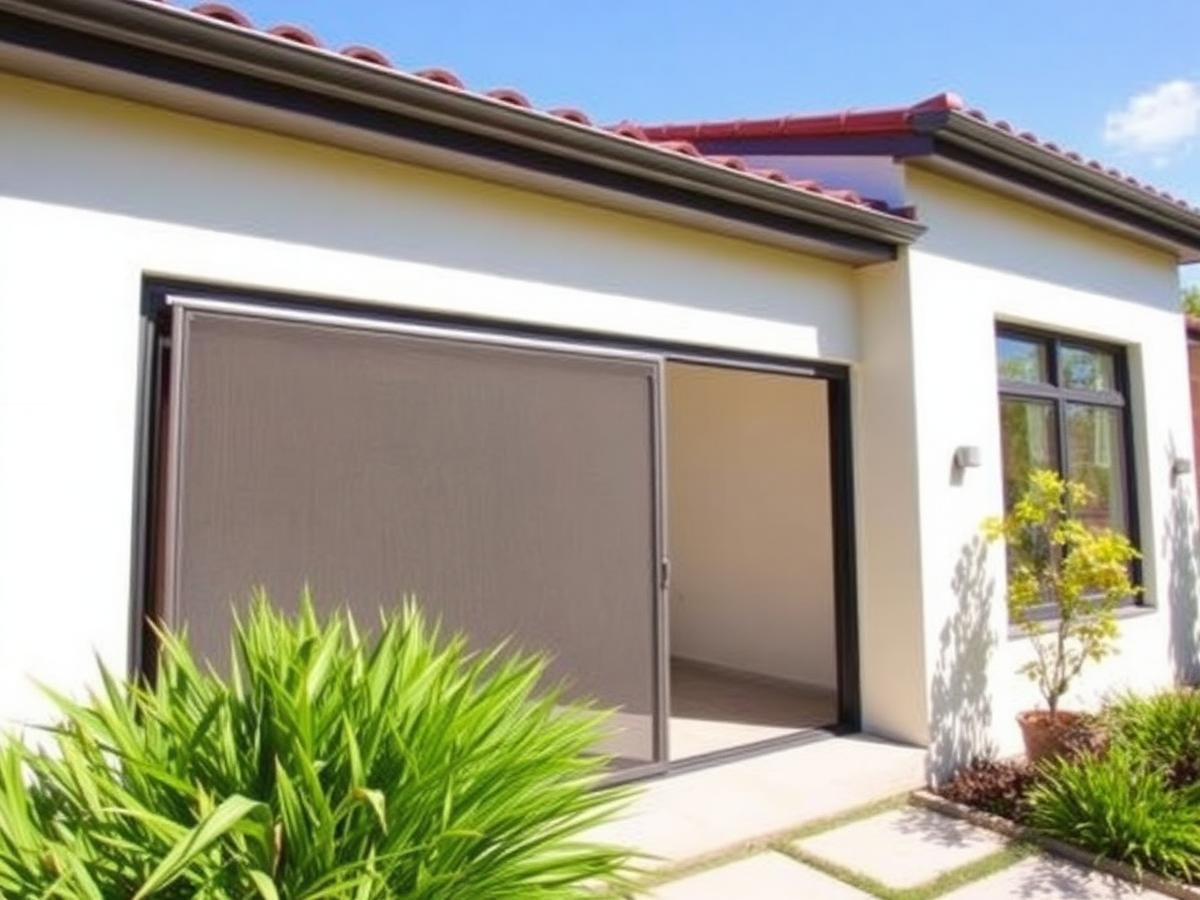
Most people arrive at our Salem showroom asking for "a mosquito net for the window". Within a few minutes the question usually turns into something more specific, because the right screen depends less on the insect and more on the opening it has to cover and how often somebody walks through it.
Start with the opening, not the product
Measure the clear opening first, then ask two questions about it: how wide is it, and does anyone pass through it every day? Those two answers rule out most of the options on their own.
- Narrow window, rarely opened. A fixed or hinged frame is the simplest and cheapest thing that works.
- Wide opening, used daily. A sliding system carries the weight better and will not sag over a few seasons.
- Main entrance. A swing door gives you a handle, a proper latch, and a predictable close.
- Balcony or patio you want to keep open-looking. A pleated screen folds almost flat and keeps the view.
How the five common systems compare
| System | Best for | Watch out for |
|---|---|---|
| Hinged frame | Windows and small doors | Needs clear swing space on one side |
| Sliding | Wide openings, balconies, patios | Track needs cleaning to stay smooth |
| Swing door | Main entrances with daily traffic | Wind can slam it without a closer |
| Pleated | Keeping a view open and uncluttered | Pleats need a gentle hand, not a shove |
| Foldable security mesh | Wide entrances needing security too | Heavier frame, so fit the fixings properly |
Then choose the mesh
The frame decides how the screen behaves. The mesh decides how long it lasts and how much you can see through it.
Fibreglass mesh
Soft, inexpensive and the usual choice for windows. It does not dent, but a determined pet will eventually get through it.
Aluminium mesh
Holds its shape, resists tearing, and suits doors and ground-floor openings where something will lean on it sooner or later.
Stainless steel security mesh
The strongest option, and the one to pick when the screen is doing a security job as well as an insect one.
A rule of thumb from the workshop: the more often a screen gets touched, the stronger the mesh and the frame need to be. Windows forgive a light build. Doors do not.
Three details worth settling before you order
- Pets. Say so up front. A pet-resistant mesh costs a little more and saves a replacement within the year.
- Finish. Powder-coated frames can match your existing window colour instead of fighting it.
- Measurement. Let the fitter measure. A screen made to a number taken off the wrong edge of the frame will not sit flush, and an insect screen only works when it sits flush.
Still unsure?
Bring a photo of the opening and a rough measurement to the showroom. Seeing the systems side by side settles the question faster than any description. You can also look through the screen systems we fit before you visit.